Mystery and Fantasy Are Not the Same Thing
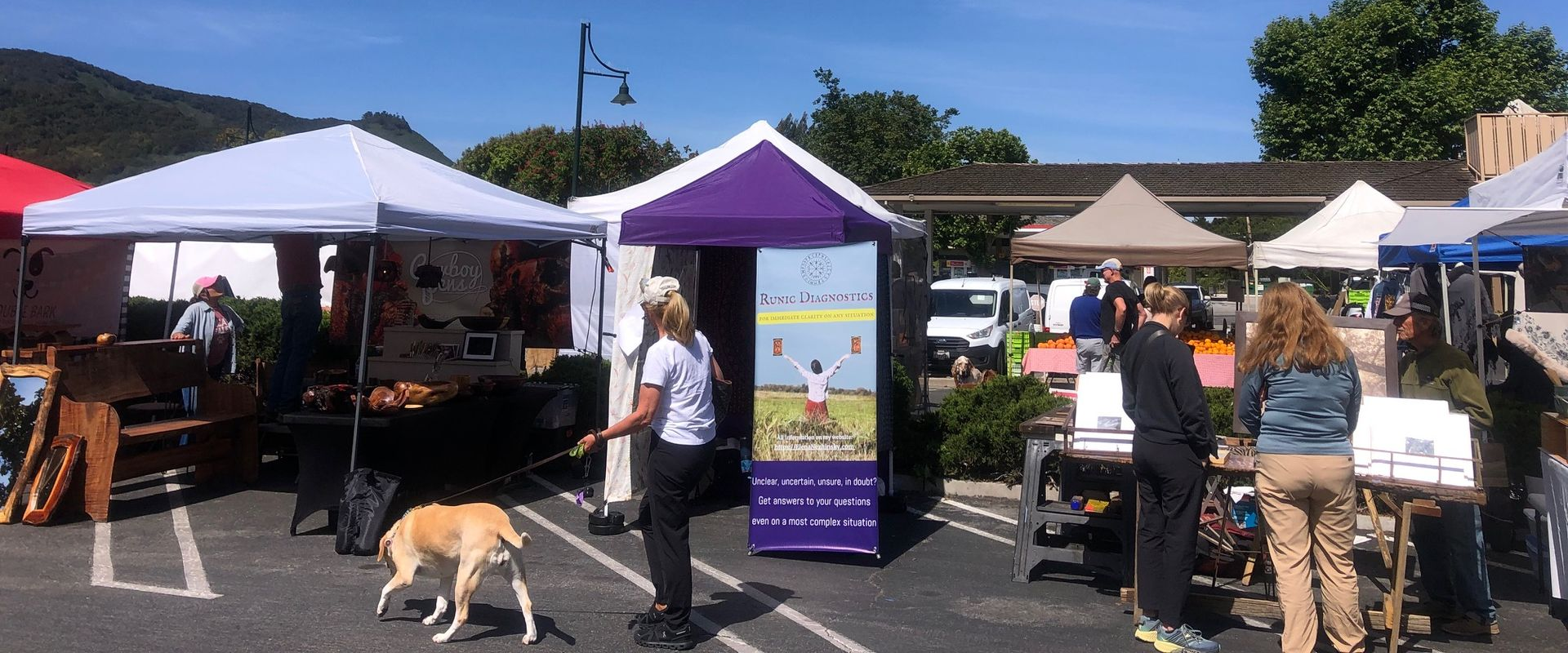
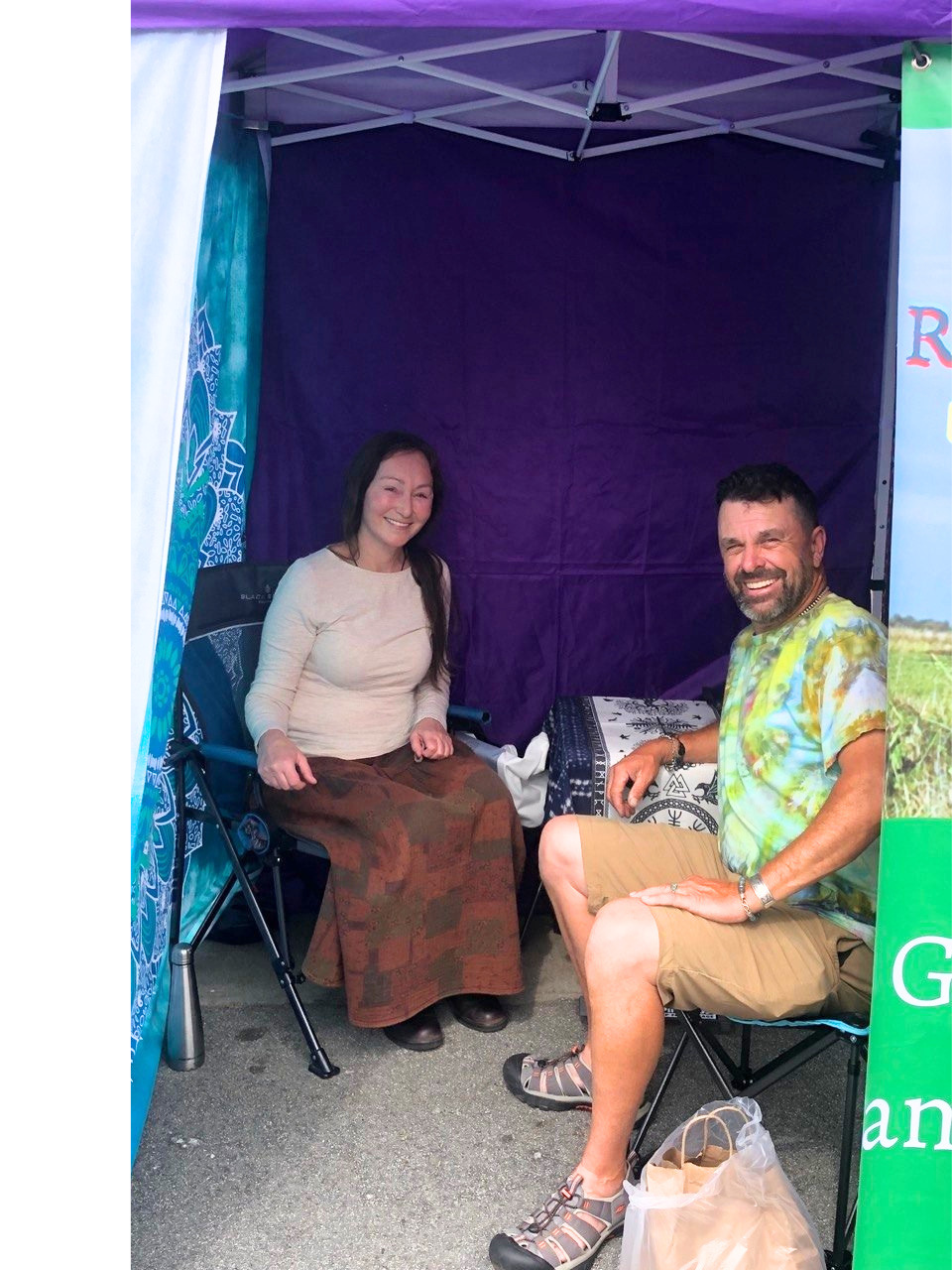
Yesterday morning, while I was setting up my purple tent at the farmers market, a woman approached me.
I had almost finished and only had two tapestry walls left to hang.
“Did you come to see me?” I asked. “Yes,” she said.
“I just need to finish these two walls. Come back in about five minutes.”
She agreed and walked away, but never came back.
I don’t know why she didn’t return. Perhaps she changed her mind about bringing a personal problem to someone she had never met. During our brief exchange, I could see that she was nervous. Sitting down with a stranger and speaking about something vulnerable is not always easy. But her disappearance touched something unexpected in me.
I wondered how people might perceive me when they see the purple tent, the runes, and the words Runic Diagnostics. Do they imagine that I enter some mysterious state or communicate with invisible beings?
The thought made me strangely sad, because it is so far from the way I work—and from who I have been throughout my life.
I do not enter a trance or communicate with invisible beings. When I draw the runes, I feel nothing unusual—only a deep neutrality. In that sense, the process can look surprisingly ordinary: I draw the signs, study the configuration, and information about the situation begins to emerge.
I am an engineer by education and an analyst by nature and professional training. Before I began working with human lives, I worked as a systems analyst. My job was to enter a complex system, understand its architecture, identify the relationships between its different parts, and see where something was no longer functioning as it should.
That is still how my mind works.
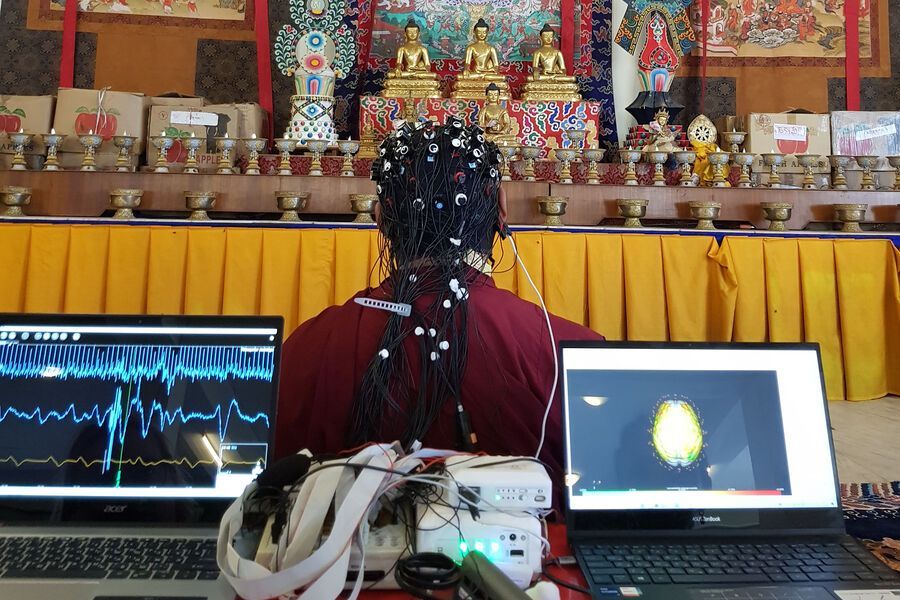
Even during years of intensive meditation, I remained grounded in direct experience. Vipassana meditation requires a rigorous kind of attention: you keep returning to what is directly present—the body, the breath, physical sensation—without disappearing into imagination.
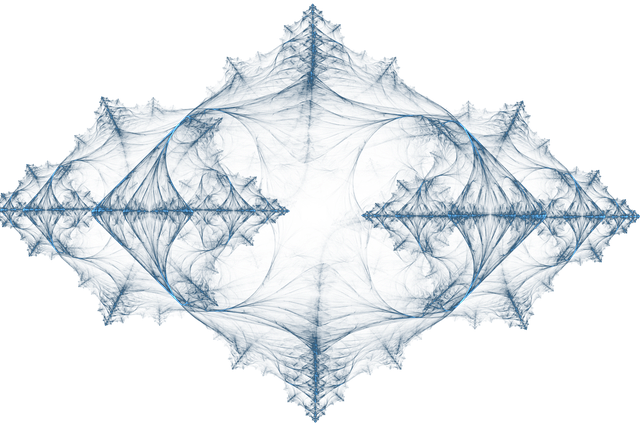
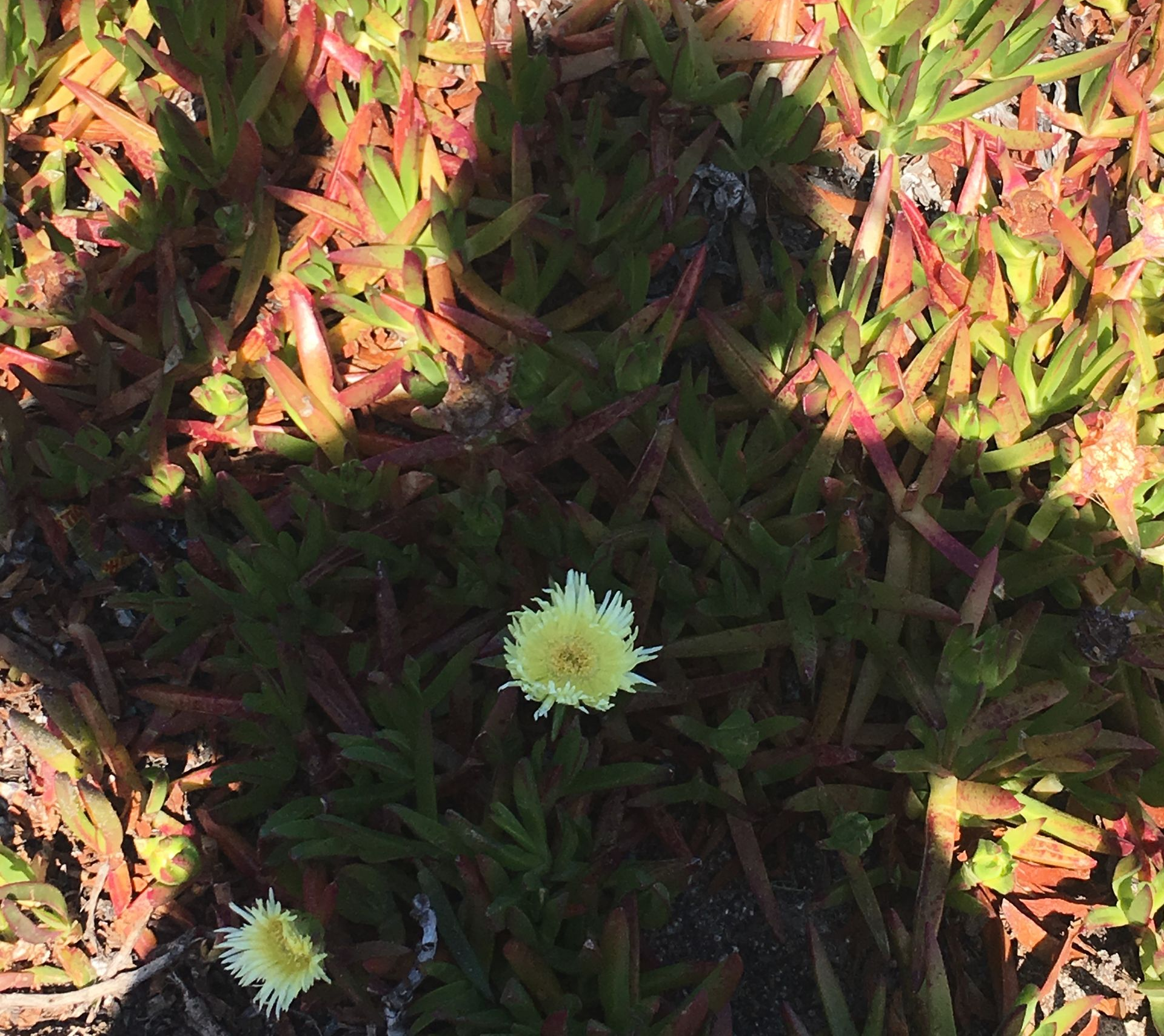
The natural world is filled with patterns. You can see them in the veins of a leaf, the spiral of a shell, the branching of trees and rivers, and the movement of larger natural cycles. Forms that appear separate are often expressions of the same underlying principles.
Human beings have always observed these patterns. Over time, they developed different symbolic systems to describe relationships that were otherwise difficult to see. Astrology looks at relationships between planetary cycles and human experience. Other systems work with numbers, images, geometric forms, or ancient symbols.
The existence of a symbolic language does not require spirits. A person who can recognize patterns within a complex system is not necessarily communicating with strange entities. Sometimes they have simply learned how to read a particular map.
The runes are the symbolic language I learned to read.
For me, they are also ancient living forces—fundamental movements that can be observed in nature, in the psyche, and in the unfolding of real events. Before I ever used them diagnostically, I spent years observing how these forces operated in my own body, mind, relationships, and life circumstances.
When I learned to use the runes as a diagnostic instrument, I first applied the method to my own life, then worked with people I knew, and eventually with clients. I continued testing the information against what was actually happening, learning to distinguish what came through the symbols from my own assumptions and interpretations.
When I draw the runes for someone, they reveal the architecture beneath the visible problem: opposing forces, hidden motives, blocked movement, unrealized possibilities, and the deeper pattern connecting events that may appear unrelated.
Then my analytical mind, my experience with people, and direct conversation all come into the work. We look at the person’s actual life. We ask questions. We examine what fits and what does not. We bring the information back into concrete reality.
I will never know why the woman walked away. But that brief encounter showed me that I carry a fear of being mistaken for something I am not.
Perhaps the purple tent and ancient symbols make the work look mysterious from the outside. There is mystery in it. I cannot explain why these particular signs provide such precise information about a human situation.
But mystery and fantasy are not the same thing.
My work is grounded in attention, observation, pattern recognition, and an honest conversation between two people. No spirits are summoned inside the purple tent.
There is only a person, a real life, a difficult question—and our attempt to see clearly what is there.